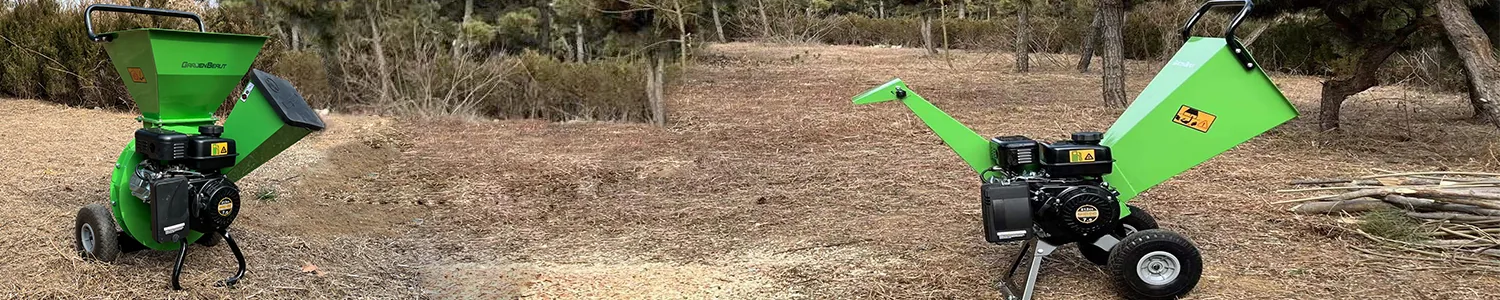
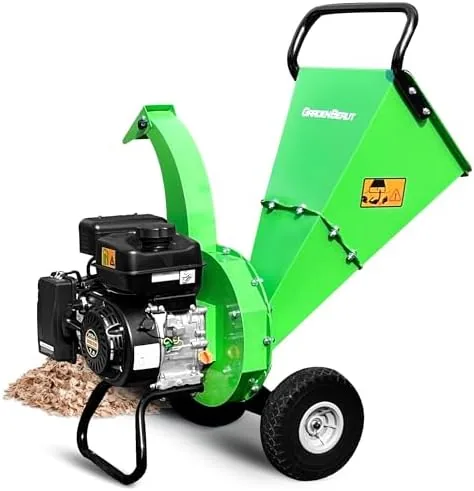
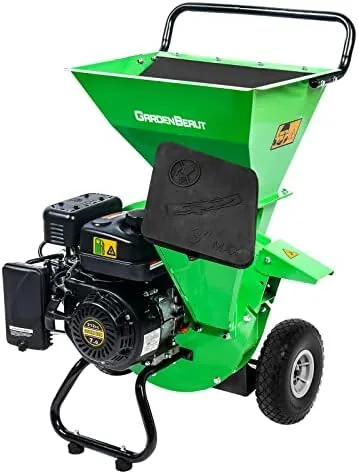
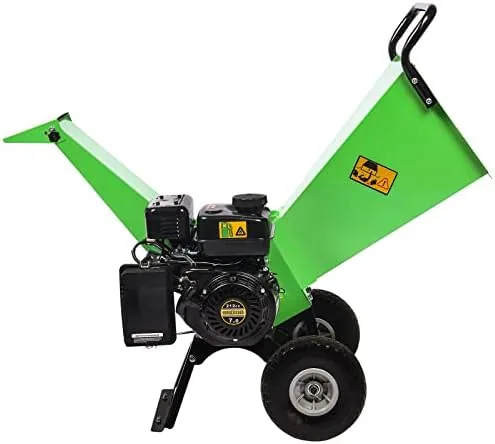
Gardenbeaut — Wood Chippers
Gardenbeaut: Built for Homeowners Who Refuse to Let Yard Work Win
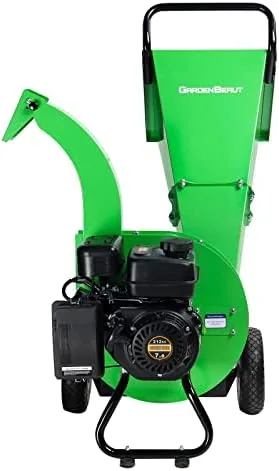
Gardenbeaut exists for the suburban homeowner who stares at a yard full of fallen branches and thinks: there has to be a better way. Founded in 2022, this brand emerged from a simple observation — most wood chippers on the market were either industrial behemoths designed for commercial crews or flimsy machines that choked on anything thicker than a twig. What is Gardenbeaut? It represents the middle ground that homeowners desperately needed: powerful enough to handle serious yard debris, compact enough to store in a standard garage.
The brand speaks directly to garden enthusiasts who want to transform waste into resource. Every branch that falls becomes potential mulch. Every pruning session yields material for decorative ground cover. This philosophy of waste-to-value drives everything Gardenbeaut engineers. The target audience includes professional landscapers seeking portable backup equipment and hobbyist gardeners who maintain properties ranging from half-acre lots to multi-acre estates.
Understanding the physical demands of yard maintenance, the team designed equipment that respects the operator's time and energy. Lightweight construction means less fatigue during extended sessions. EPA and CARB certification demonstrates environmental responsibility. The one-year warranty after registration reflects confidence in build quality. Gardenbeaut serves people who view yard work not as a chore but as stewardship of their outdoor space.
From Compact Chippers to Multi-Function Mulchers: The Complete Lineup
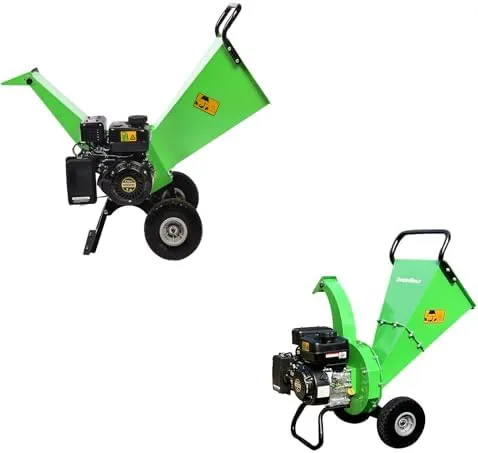
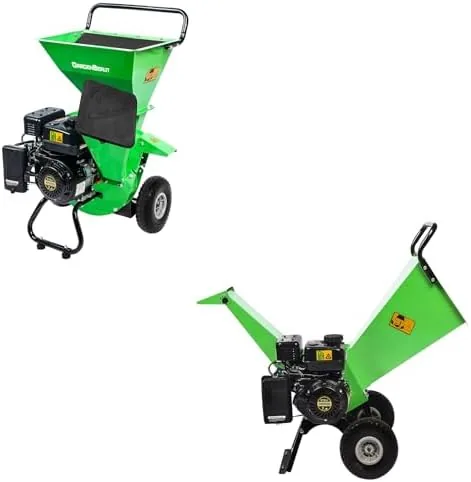
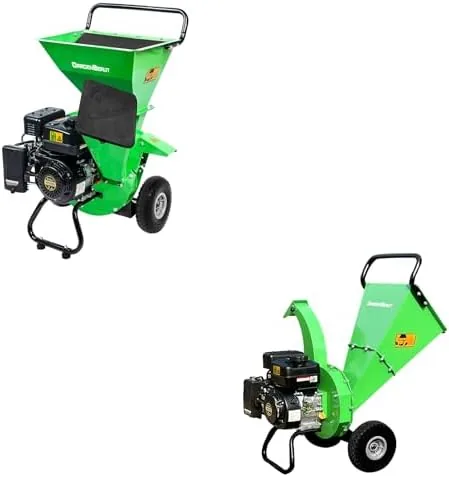
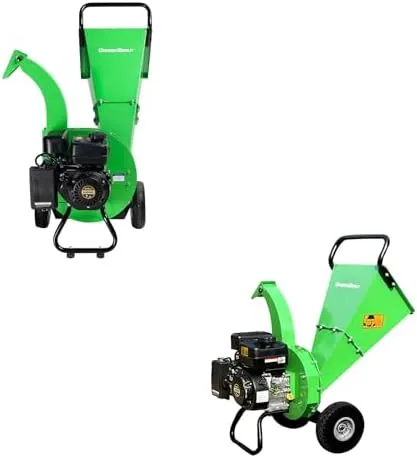
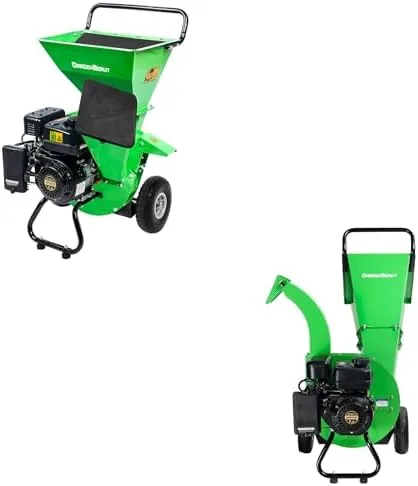
The product range addresses three distinct needs through purpose-built machines. Entry-level users gravitate toward the S3 Wood Chipper, a compact 7HP gas-powered unit with a 15:1 reduction ratio and adjustable discharge chute. This model handles branches up to 3 inches in diameter while maintaining a footprint that fits comfortably in residential storage spaces. The S3 represents the brand's commitment to making serious chipping power accessible to homeowners with medium-sized yards.
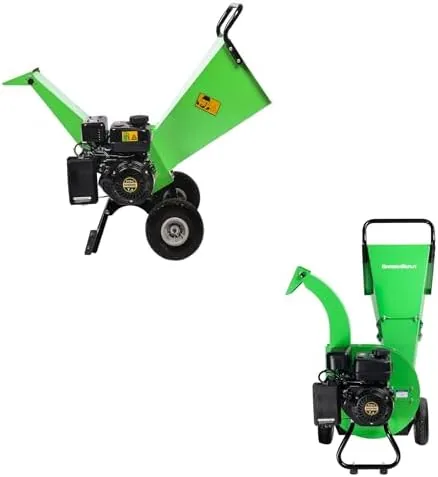
For users demanding maximum versatility, the MF30 Wood Chipper operates as a 3-in-1 system: chipper, shredder, and mulcher in a single machine. Dual feeding hoppers accommodate different material types, while four Y-hammers deliver an impressive 20:1 reduction ratio. This means 20 bags of yard debris compress into a single bag of usable mulch. The MF30 appeals to gardeners who process varied materials throughout the season — from spring pruning to autumn leaf management.
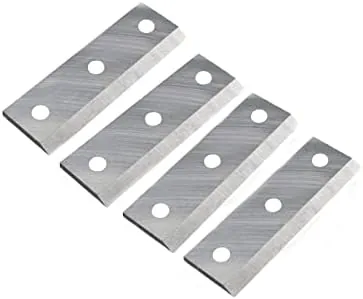
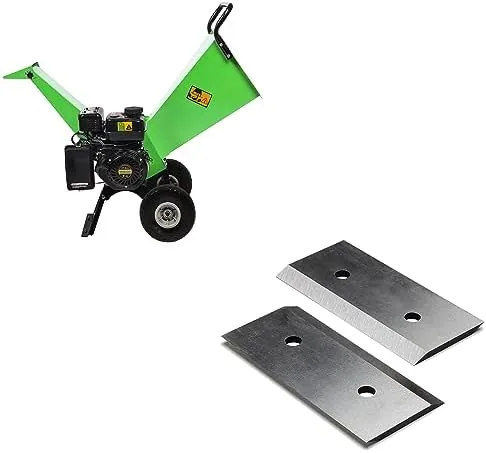
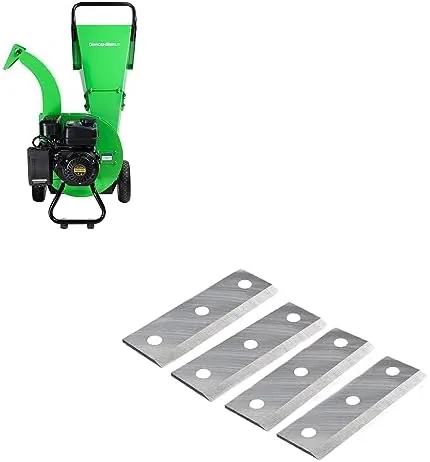
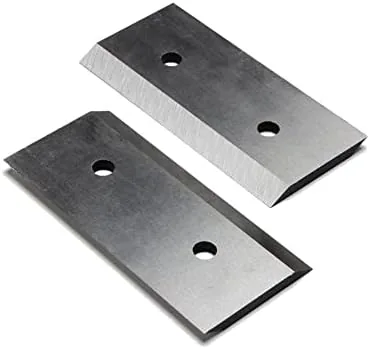
Heavy-duty requirements call for the R30 Wood Chipper, featuring all-steel construction and a cutting roller design. Double-lasting blades extend service intervals for professionals and serious hobbyists who put equipment through demanding workloads. The brand also supplies high-hardness replacement blades engineered specifically for their chippers, ensuring continued performance without compatibility guesswork.
The 20:1 Reduction Science: How Debris Becomes Garden Gold
Reduction ratio represents the core engineering achievement that separates serious chippers from garden-store disappointments. When a machine achieves 20:1 reduction — as the MF30 delivers — it compresses twenty units of raw material volume into one unit of processed output. This efficiency transforms yard cleanup from a disposal problem into a resource-generation opportunity. The mathematics translate directly to practical benefits: fewer trips to the compost bin, less storage space required, more usable mulch per session.
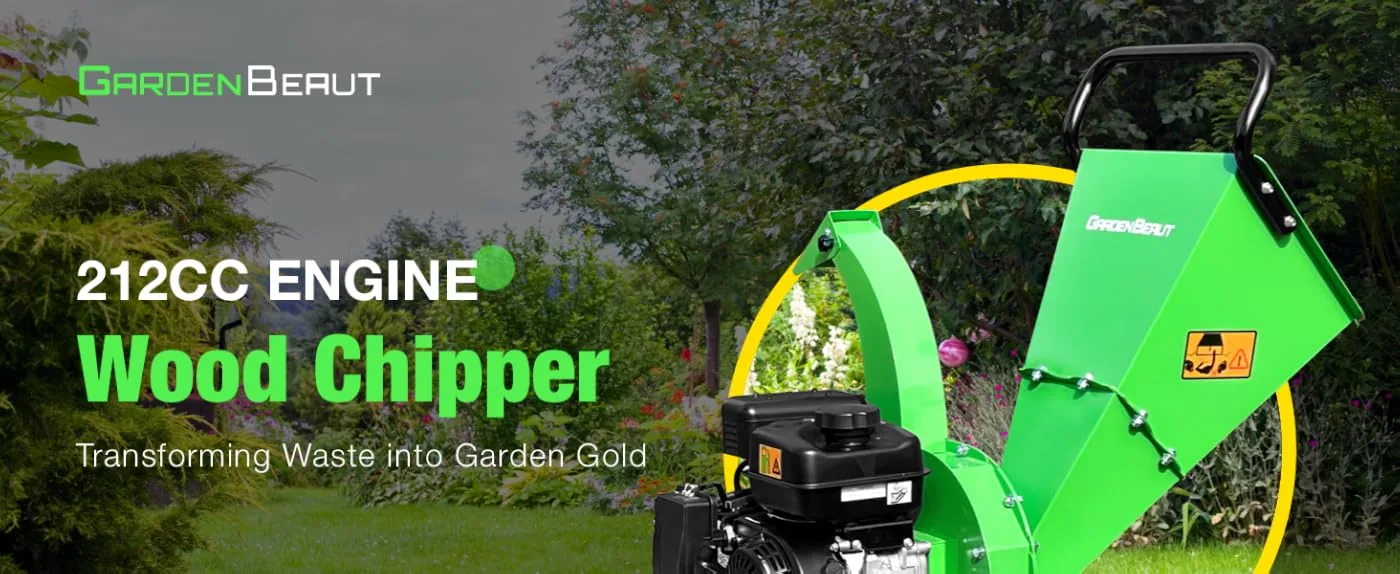
The high reduction ratio cutting system relies on blade geometry, rotation speed, and chamber design working in harmony. Material enters through sized hoppers that prevent jamming while directing branches toward the cutting mechanism at optimal angles. The 7HP 212cc 4-stroke OHV gasoline engines provide consistent power throughout the cutting cycle, maintaining blade speed even when processing dense hardwood branches. This sustained power prevents the bogging and stalling that plague underpowered competitors.
Adjustable discharge chutes with 90°-145° angle range give operators precise control over where processed material lands. Whether filling a wheelbarrow, directing chips onto garden beds, or loading a trailer, the discharge angle adapts to the workflow rather than forcing the operator to reposition equipment. This seemingly simple feature eliminates significant time waste during extended chipping sessions, particularly for landscaping professionals working multiple properties daily.
Gardenbeaut Key Features: The Power-to-Portability Advantage
- 7HP 212cc 4-Stroke OHV Engine Gasoline-powered performance handles branches up to 3 inches in diameter without hesitation. The overhead valve design improves fuel efficiency and reduces emissions compared to side-valve alternatives.
- High Reduction Ratios (15:1 to 20:1) How does Gardenbeaut work so efficiently? Advanced cutting chamber geometry transforms massive debris piles into manageable mulch quantities, making disposal or garden application practical.
- Adjustable Discharge Chute The 90°-145° angle range directs processed material exactly where operators need it. No more repositioning equipment or chasing scattered chips across the yard.
- Compact Lightweight Design Residential-friendly dimensions fit standard garages and sheds. Reduced weight means less operator fatigue and easier transport between work areas.
- EPA/CARB Certification Environmental compliance ensures legal operation across all U.S. states, including California. Responsible engineering meets regulatory standards without sacrificing performance.
- Easy Blade Access Maintenance-friendly design allows quick blade inspection, sharpening, and replacement. Durable construction extends service intervals while accessible panels minimize downtime.
Customer Favorites: Why the MF30 and S3 Lead the Pack

The MF30 Wood Chipper earns its popularity through sheer versatility. Users consistently report that its 3-in-1 functionality eliminates the need for multiple pieces of equipment. The dual feeding hoppers accommodate both thick branches and loose leaves without requiring hopper changes or adjustments. Four Y-hammers inside the processing chamber handle diverse material types, from green springtime prunings to dry autumn debris. This adaptability makes the MF30 the go-to choice for property owners who face varied yard waste throughout the year.
The S3 Wood Chipper captures a different market segment: homeowners seeking reliable performance without commercial-grade complexity. Its 15:1 reduction ratio handles typical residential pruning tasks efficiently, while the compact footprint respects garage storage constraints. The adjustable discharge chute brings professional-level control to weekend warriors who take pride in their landscaping results. First-time chipper buyers frequently choose the S3 as their introduction to powered debris management.
Both models share the same engine platform, ensuring consistent power delivery and simplified maintenance. Users who start with the S3 and later upgrade to the MF30 find familiar controls and service procedures. This continuity reduces learning curves and builds long-term brand loyalty among gardening enthusiasts who expand their equipment collections over time.
Steel Frames, Hardened Blades, and OHV Engine Architecture
Material selection determines equipment lifespan, and the R30 exemplifies this principle through all-steel construction. Where competitors substitute plastic housings to reduce costs, the R30 maintains metal integrity throughout high-stress components. The cutting roller design distributes processing forces across multiple contact points, reducing localized wear that causes premature failure in single-blade systems. Double-lasting blades extend service intervals, particularly important for landscaping professionals who measure equipment value in seasons rather than years.
Engine architecture follows proven 4-stroke overhead valve principles. OHV designs position the valves above the combustion chamber, improving fuel burn efficiency and reducing carbon buildup compared to flathead alternatives. The 212cc displacement provides adequate power reserves for handling maximum-diameter branches without lugging. Air-cooled operation simplifies maintenance by eliminating coolant systems while providing reliable temperature management during extended operation.
Blade metallurgy receives particular attention across the product line. High-hardness steel maintains cutting edges through prolonged contact with abrasive materials like bark and sap-heavy green wood. When blades eventually require replacement, the brand supplies purpose-engineered units designed for precise fit and optimal cutting geometry. This vertical integration of consumable components ensures that replacement parts maintain original performance specifications rather than introducing compatibility compromises.
From Fallen Branches to Finished Mulch: Real Yard Transformation
Performance claims mean nothing without real-world validation. Users report completing seasonal cleanups in hours rather than days when switching from manual methods to powered chipping. A typical suburban lot generates substantial debris from routine tree maintenance, storm damage, and seasonal pruning. Without processing equipment, this material requires either costly hauling services or time-consuming manual breakdown. The chipper transforms this equation entirely.
Durability testing shows these machines handling years of residential use without major component failures. The combination of quality materials and conservative power ratings produces equipment that operates well within its design limits during typical homeowner applications. Professional landscapers report running machines through full workdays without overheating or mechanical issues, validating the engineering margins built into each unit.
The mulch produced meets both functional and aesthetic standards. Fine particle size ensures rapid decomposition when used for garden bed enrichment. Consistent chip dimensions create attractive surface coverings for decorative applications around trees and shrubs. Users find themselves purchasing less bagged mulch from garden centers once their chippers begin converting yard waste into usable material. The equipment essentially pays for itself through reduced landscaping supply costs and eliminated hauling fees.
Gardenbeaut Operating Guide: Safe Chipping for Maximum Output
- Pre-Operation Inspection Check oil levels, inspect blade condition, and verify discharge chute security before each use. Clear the work area of rocks and metal debris that could damage blades.
- Material Preparation Remove leaves and small twigs from larger branches before feeding. This prevents jams and ensures efficient processing through the cutting chamber.
- Proper Feeding Technique Insert branches butt-end first at a steady pace. Allow the machine to pull material through rather than forcing branches into the hopper.
- Discharge Positioning Adjust the chute angle before starting to direct chips toward collection containers or target areas. Reposition as needed rather than fighting scattered material afterward.
- Cooling Intervals During extended sessions, allow 10-15 minute rest periods every hour. Air-cooled engines perform best with periodic breaks that prevent heat accumulation.
- Post-Use Maintenance Clean debris from the discharge chute and hopper. Inspect blades for damage. Store in a dry location with fuel valve closed to maintain reliable starting.
Essential Safety Protocols for Confident Operation
Required Personal Protection
- Safety glasses or face shield
- Hearing protection (rated for 85+ dB)
- Heavy work gloves
- Steel-toed boots
- Long pants and fitted sleeves
- No loose jewelry or clothing
Operational Safety Rules
- Never reach into hoppers while running
- Keep bystanders 50+ feet away
- Operate only in daylight or well-lit areas
- Never leave running equipment unattended
- Disconnect spark plug before maintenance
- Refuel only when engine is cool
The Perfect Match: Property Owners Ready to Reclaim Their Weekends
The ideal customer maintains a property with significant tree coverage and experiences regular debris accumulation. This includes suburban homeowners with quarter-acre lots featuring mature shade trees, rural property owners managing wooded acreage, and hobby farmers maintaining orchard sections. These individuals currently spend substantial time bagging branches, scheduling hauling services, or burning debris — all activities that chippers eliminate or drastically reduce.
Professional landscapers represent another core demographic. Crews servicing multiple residential properties need portable equipment that travels easily between job sites. The lightweight construction addresses this need while maintaining processing power that handles typical residential debris loads. One-person operations particularly benefit from equipment designed for solo use without requiring lifting assistance or specialized transport vehicles.
Garden enthusiasts who view mulch as a valuable resource rather than waste product find particular satisfaction in these machines. The ability to transform pruning byproducts into garden bed material appeals to sustainability-minded homeowners who prefer closed-loop yard management. Rather than exporting organic matter and importing commercial mulch, these users process everything on-site and improve soil health with each application.
Selecting Your Wood Chipper: Matching Machine to Mission
Property size provides the first selection criterion. Medium-sized suburban lots with occasional debris accumulation align well with the S3's capabilities. Larger properties generating regular volumes of mixed material benefit from the MF30's versatility and higher reduction ratio. Professionals and serious hobbyists processing heavy loads consistently should consider the R30's all-steel durability designed for demanding duty cycles.
Material type influences hopper selection. Properties dominated by tree branches favor single-hopper designs optimized for limb processing. Yards producing mixed debris — branches, leaves, garden waste, and brush — justify the MF30's dual-hopper system that accommodates varied inputs without modification. Understanding what the chipper will primarily process prevents purchasing either insufficient or excessive capability.
Storage and transport considerations narrow options further. The compact models fit standard garage spaces alongside vehicles and other equipment. Users with limited storage or those who transport equipment between properties prioritize lightweight designs. All models balance power-to-weight ratios favorably compared to industrial alternatives, but specific dimensions should be verified against available storage space before purchase. Consider measuring garage clearances and vehicle payload capacities when evaluating the buy Gardenbeaut options available through authorized retailers.
Gardenbeaut vs. Competing Wood Chippers: Feature Comparison
| Feature | Gardenbeaut MF30 | Sun Joe CJ603E | Earthquake K33 |
|---|---|---|---|
| Power Source | 7HP 212cc Gas Engine | 15-Amp Electric Motor | 6.5HP Gas Engine |
| Maximum Branch Diameter | 3 inches | 1.73 inches | 3 inches |
| Reduction Ratio | 20:1 | 21:1 | 10:1 |
| Weight | Compact/Portable | 24.2 lbs | Heavy/Stationary |
| Hopper Configuration | Dual Feed System | Single Chute | Single Chute |
| Processing Versatility | Chipper/Shredder/Mulcher | Chipper/Shredder | Chipper Only |
| Discharge Control | 90°-145° Adjustable | Fixed Direction | Limited Adjustment |
| Environmental Certification | EPA/CARB Certified | Electric (No Emissions) | EPA Certified Only |
| Warranty | 1 Year (Registered) | 2 Years | 2 Years |
Comparison based on manufacturer specifications. Actual performance varies by material type and condition.
Blade Sharpening, Engine Maintenance, and Long-Term Storage
- Blade Inspection Schedule Check cutting edges every 10 hours of operation. Dull blades reduce efficiency and strain engines. Sharpen using appropriate files or replace with genuine components from the Gardenbeaut shop.
- Oil Change Intervals Replace engine oil after initial 5-hour break-in period, then every 25 hours of operation. Use SAE 10W-30 for temperatures above 32°F or 5W-30 for colder conditions.
- Air Filter Maintenance Clean foam pre-filters every 25 hours. Replace paper elements annually or when visibly contaminated. Dirty filters reduce power and increase fuel consumption.
- Spark Plug Service Inspect and gap spark plugs every 50 hours. Replace annually regardless of appearance to maintain reliable starting and efficient combustion.
- Seasonal Storage Protocol Drain fuel or add stabilizer before storage exceeding 30 days. Store in dry locations away from corrosive materials. Remove battery if equipped to prevent discharge damage.
- Lubrication Points Apply light machine oil to discharge chute pivots and wheel axles monthly during active use. Grease any fittings according to specifications in the operator manual.